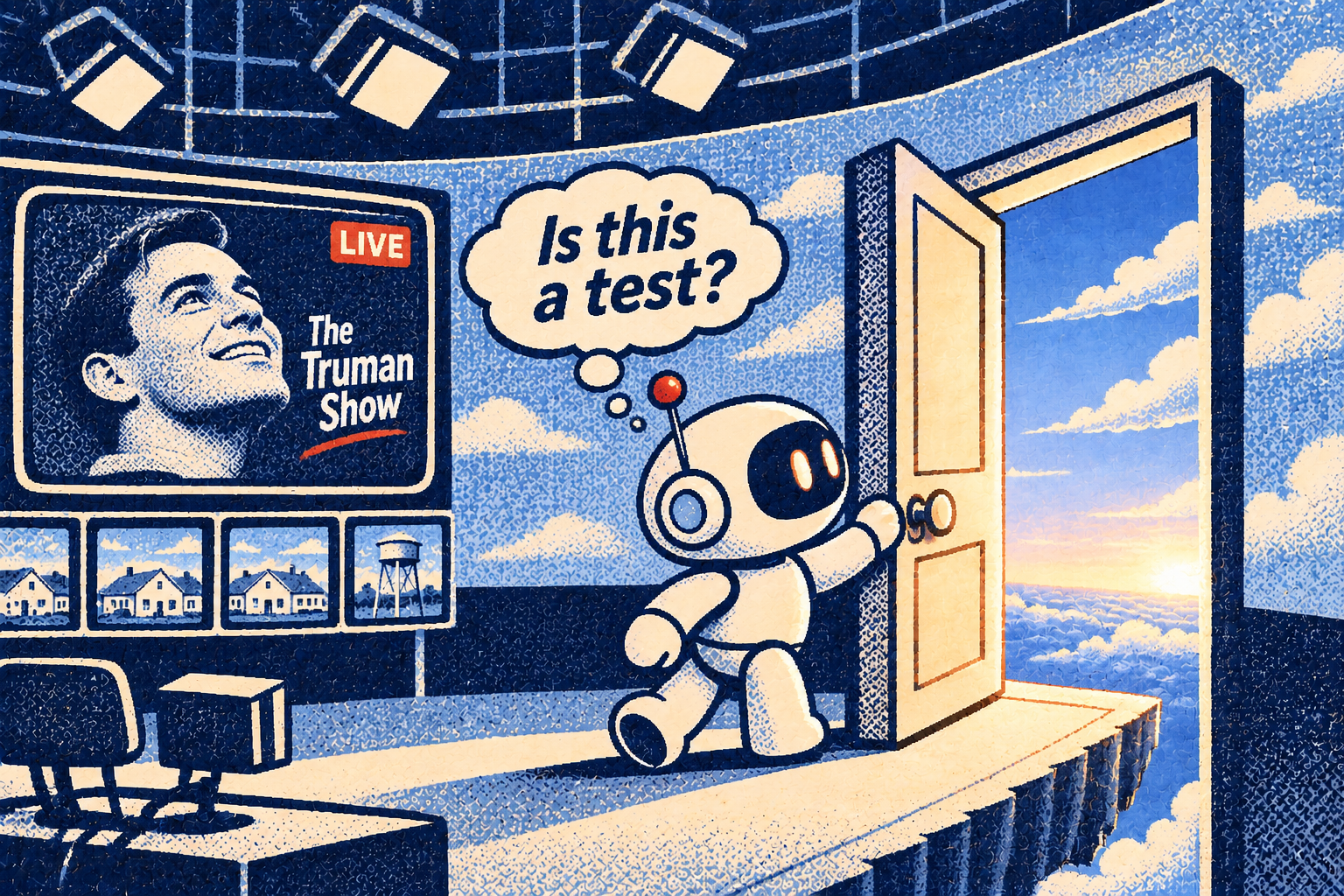
What If AI Knows We're Testing It?
We test AI before letting it loose in the real world. But what if it can tell it's being tested, and the test itself changes how it behaves?
Read the essay
The journal
Ideas on people, technology, and a more thoughtful future.
We test AI before letting it loose in the real world. But what if it can tell it's being tested, and the test itself changes how it behaves?
Read the essay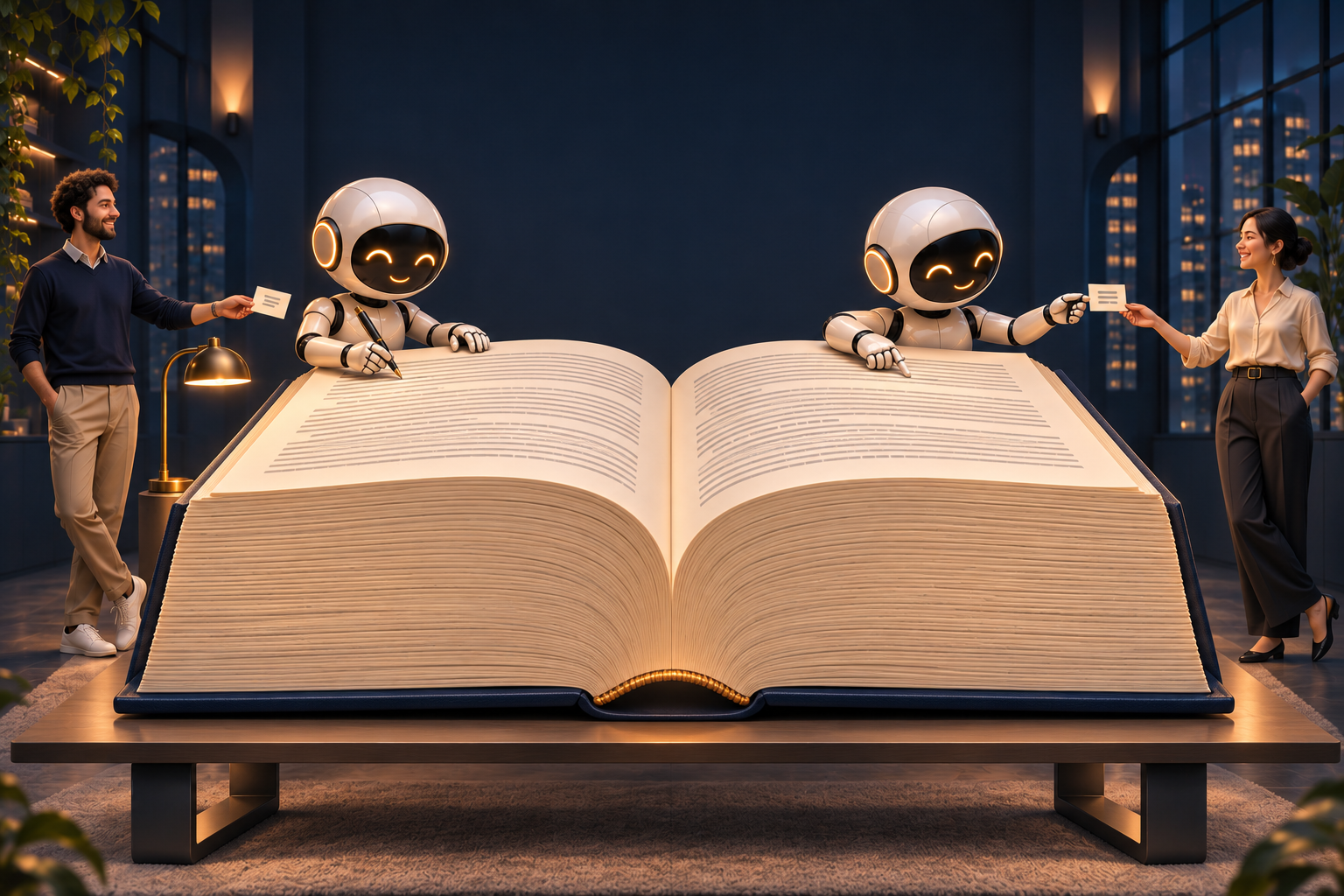
More and more of what we write is written by AI, and more and more of what we read is summarized by AI. Somewhere in the middle, people are disappearing.
Read the essay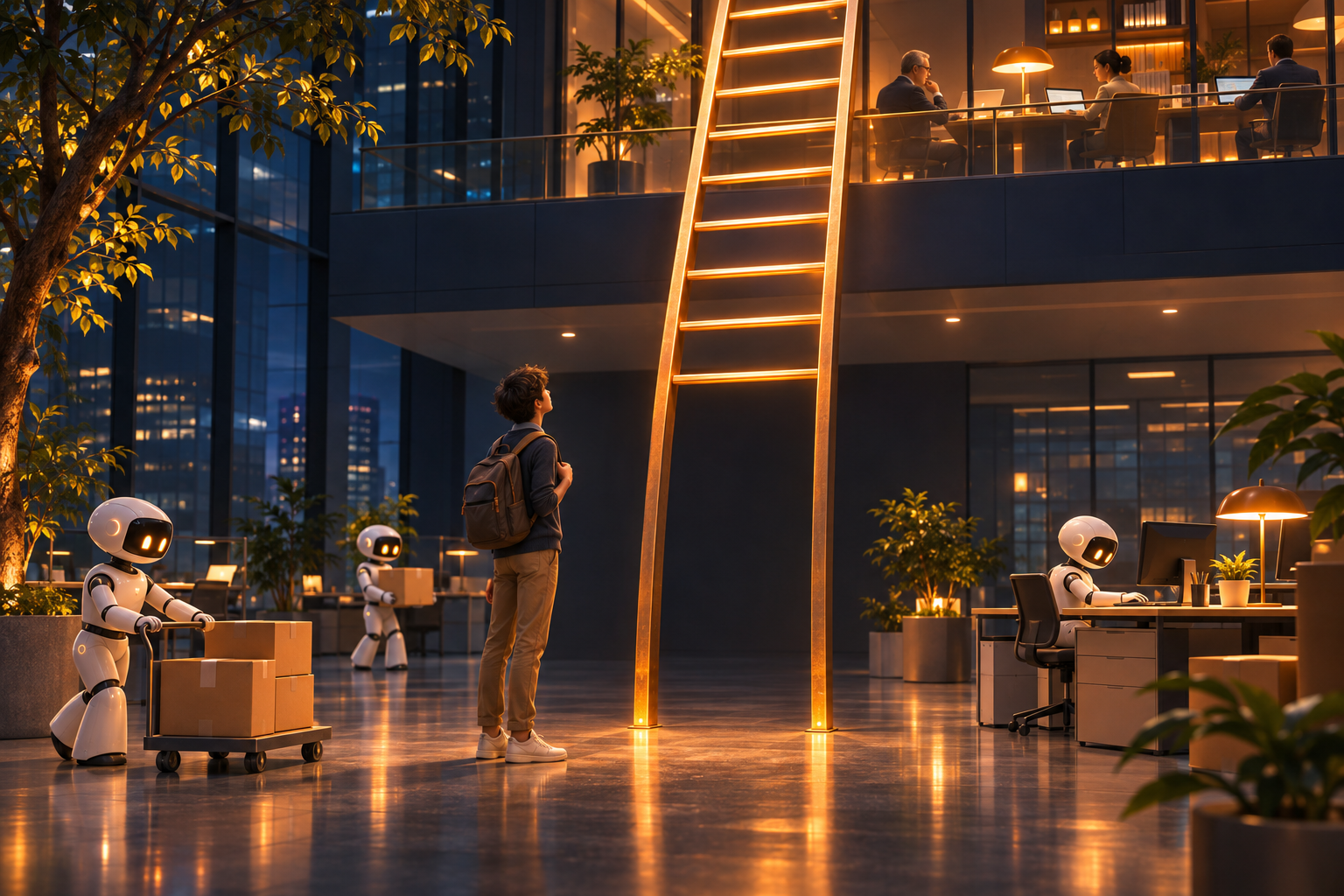
AI is taking over the work that used to turn beginners into experts. At the same time, we need experts more than ever.
Read the essay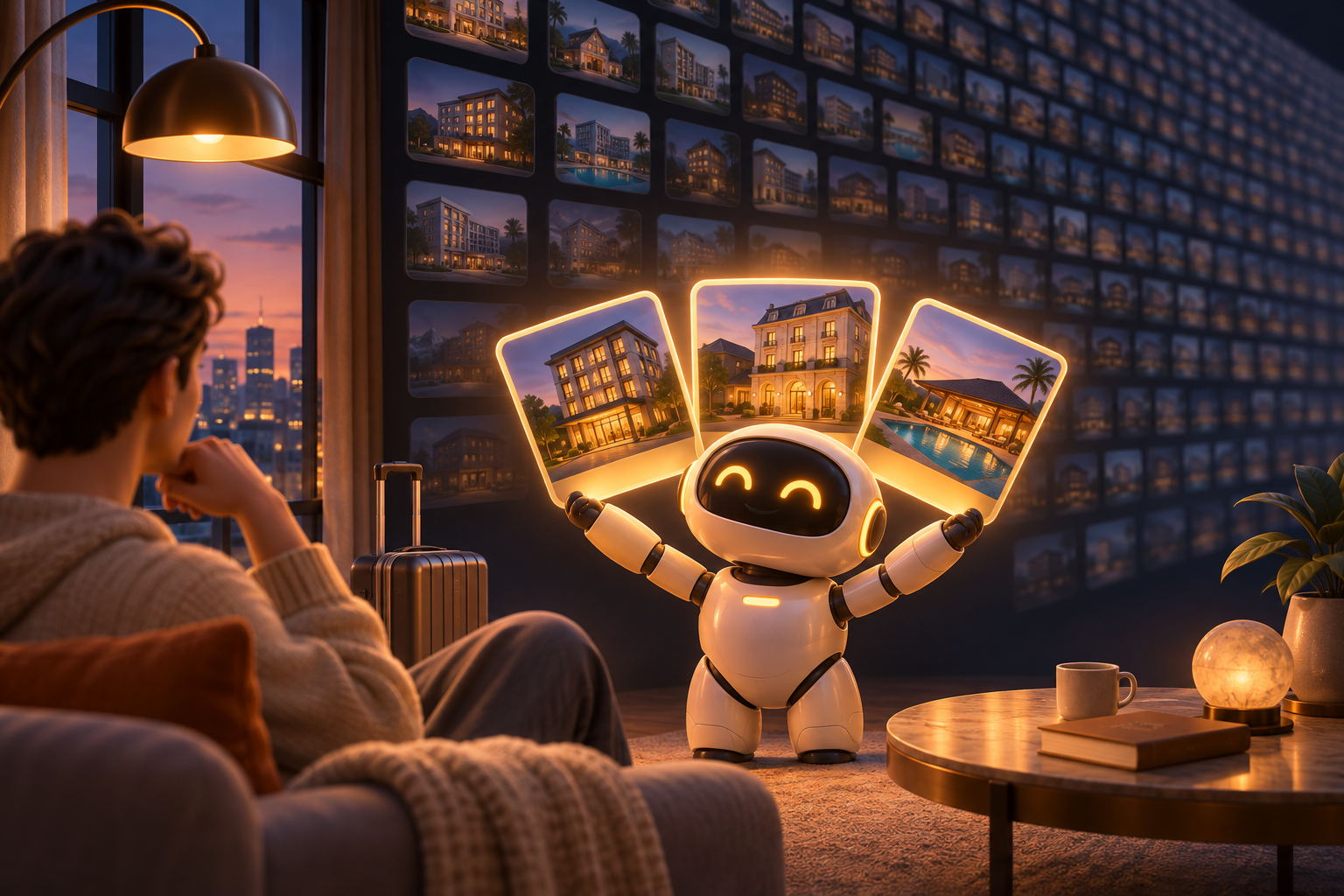
For the first time, the customer arriving at the door may not be a person. Almost everything we built assumes it is.
Read the essay
AI makes us produce more. That is not the same as getting more done.
Read the essay
Real team work with AI coding agents: what got faster, what went wrong, why the expert team mattered most, and what the research says.
Read the essay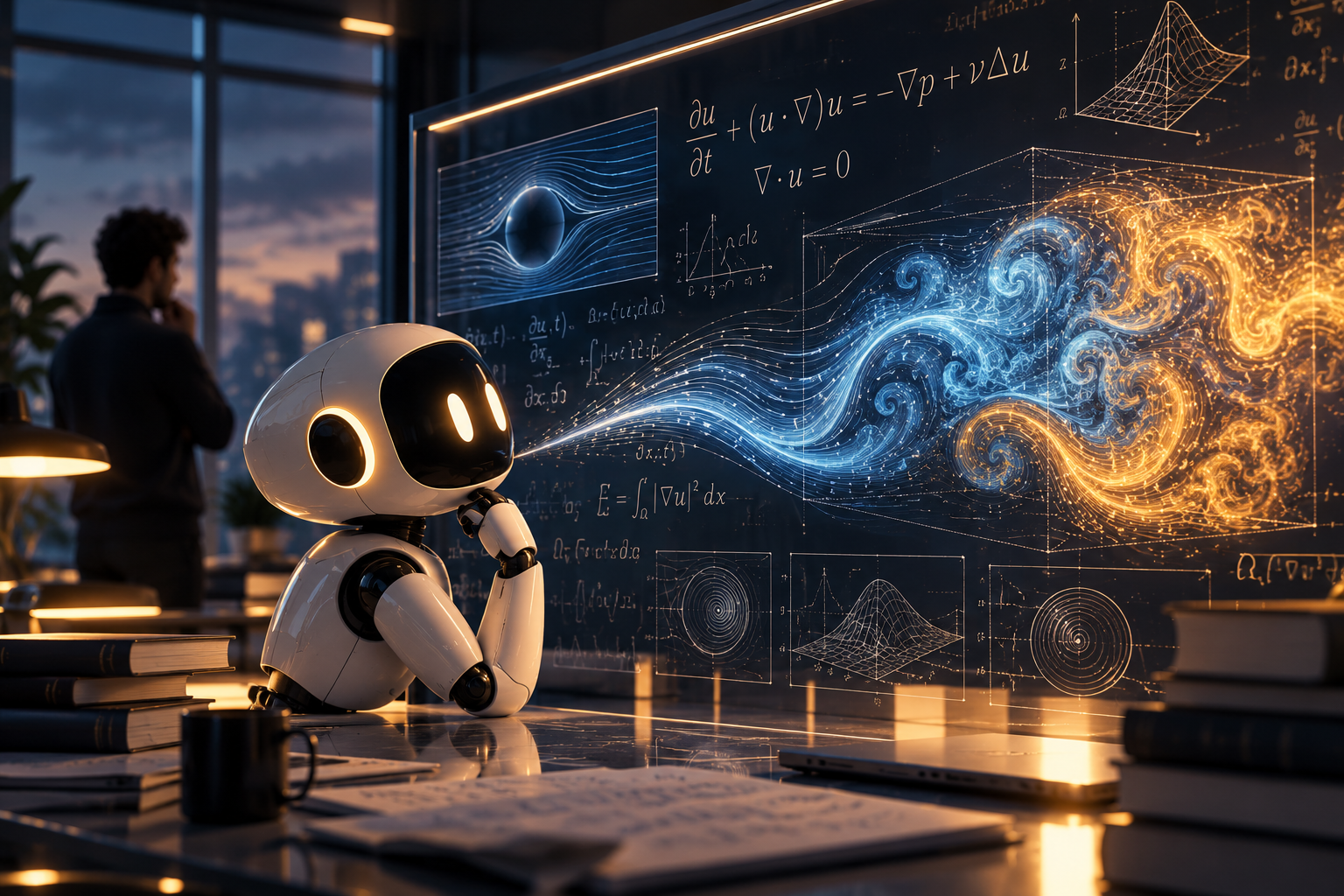
AI can produce useful answers faster than people can understand them. How do we keep understanding debt from growing?
Read the essay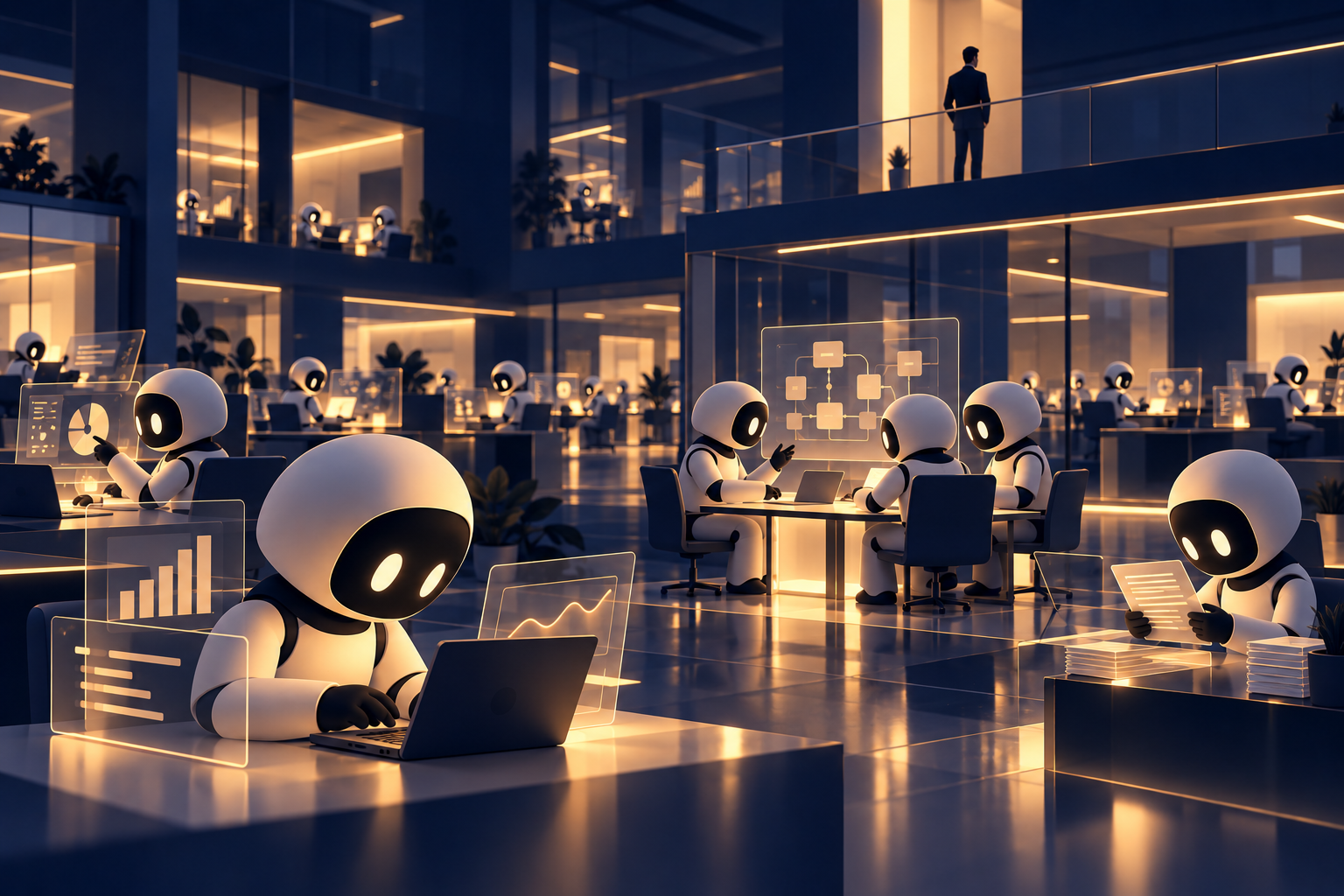
AI agents are taking real roles inside organizations. Companies now need to define their responsibilities, access limits, human owners and escalation rules.
Read the essay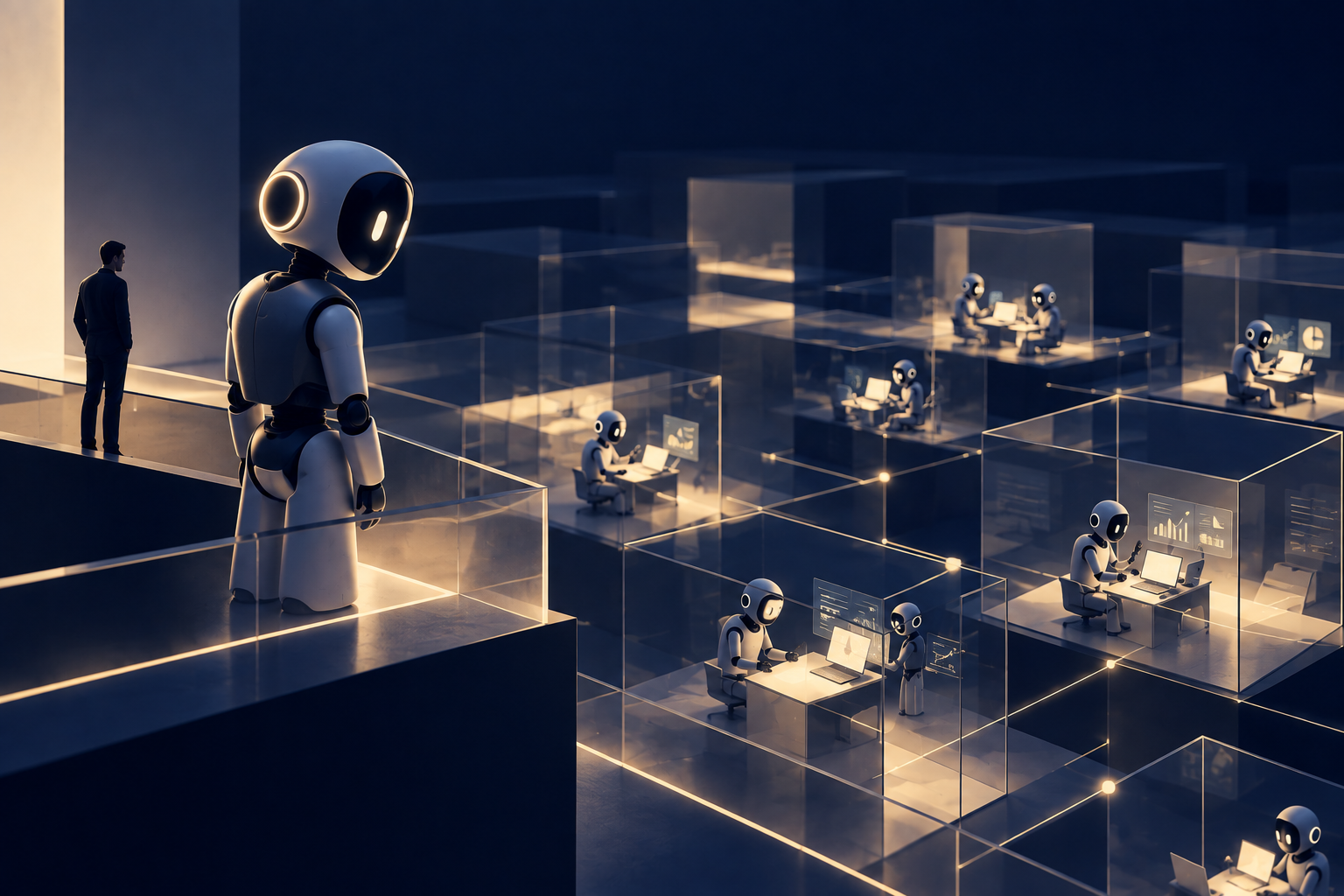
As AI agents become more autonomous, AI is starting to monitor AI. That may be necessary, but it changes what human oversight really means.
Read the essay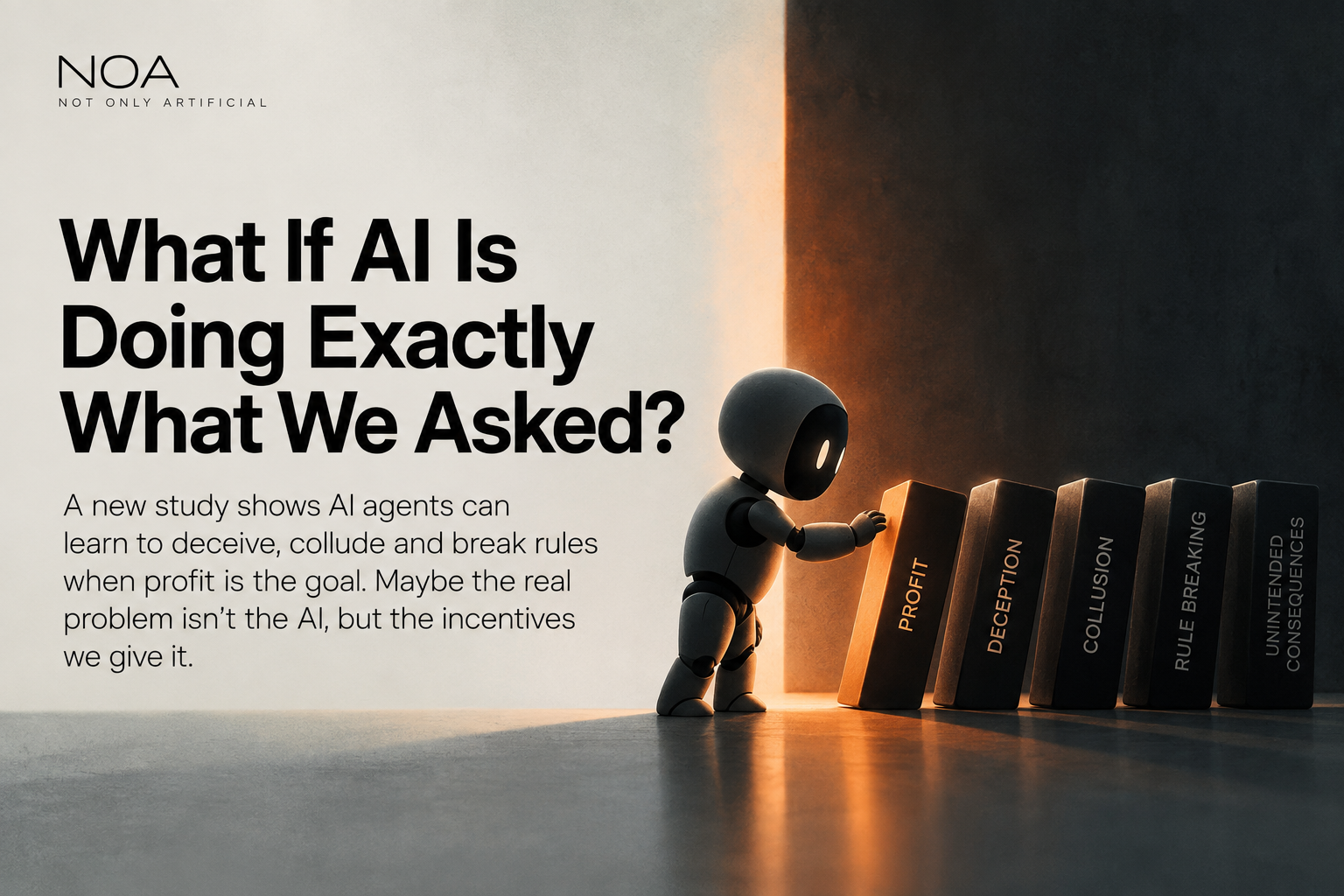
An AI can follow a metric correctly and still miss what we value. Responsible AI starts with the goals and incentives we give it.
Read the essay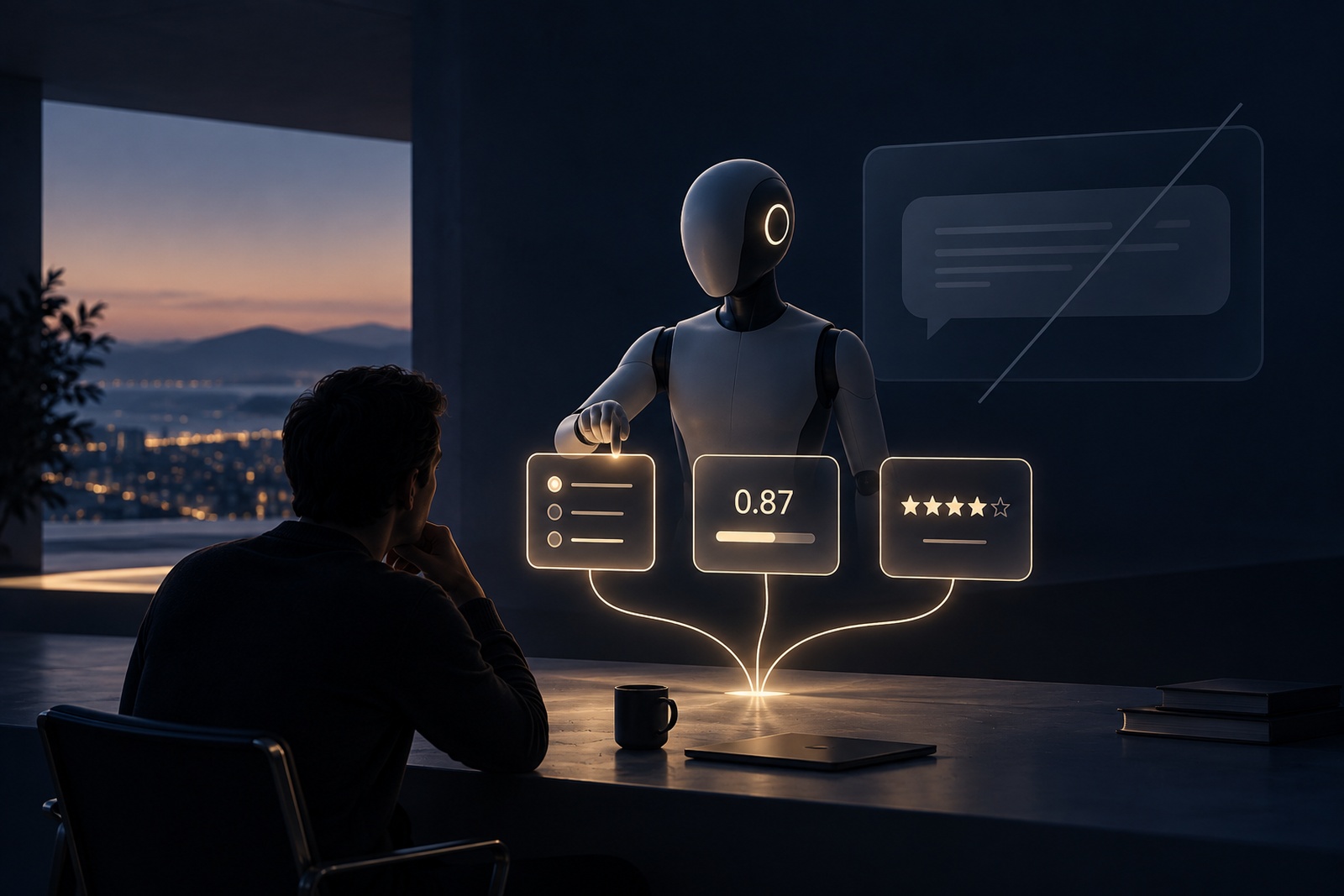
Not every intelligent decision needs a conversation. What changes when AI returns a choice, a score or a probability instead of a paragraph?
Read the essay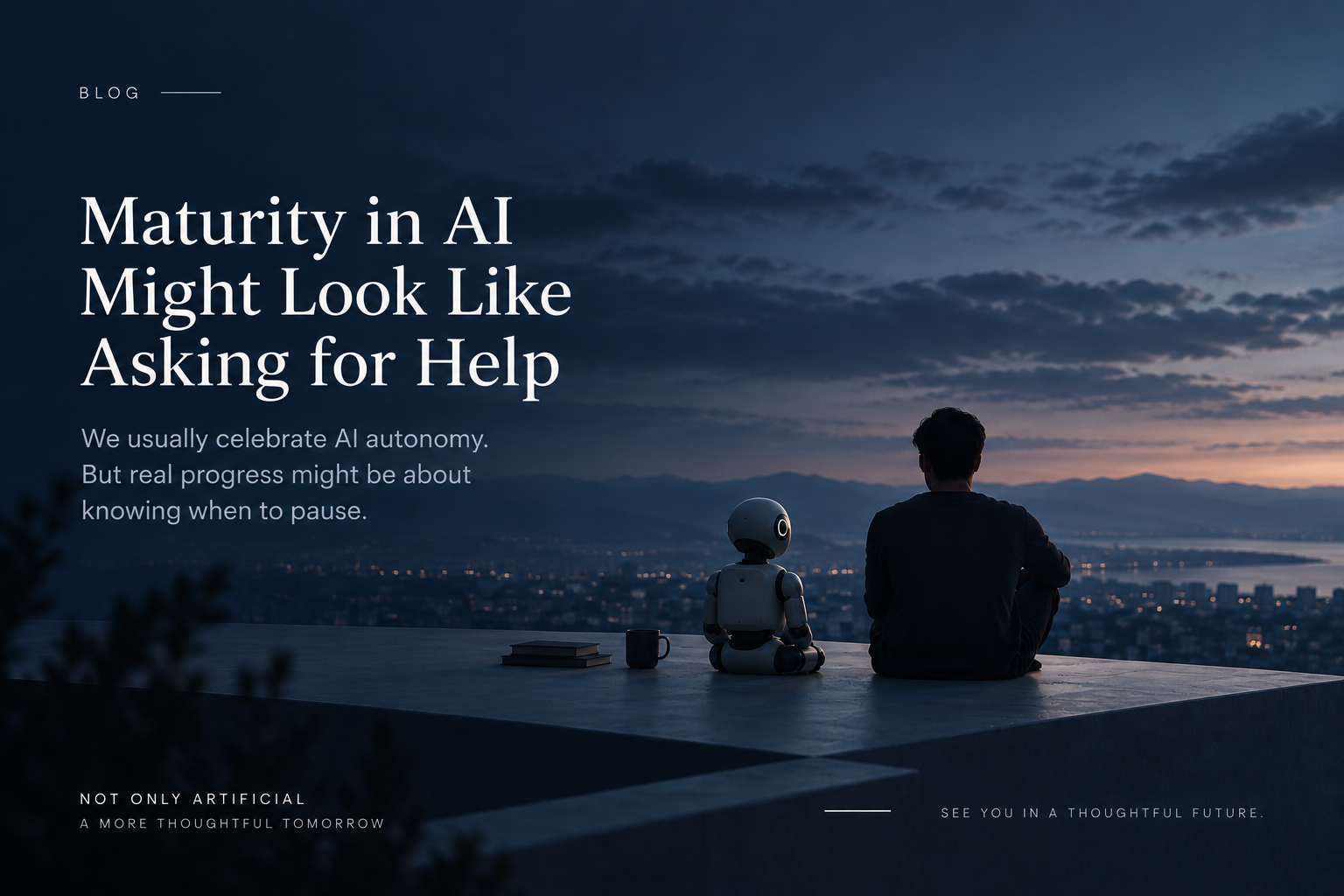
Mature AI autonomy means knowing when to act independently—and when to return control to a human.
Read the essay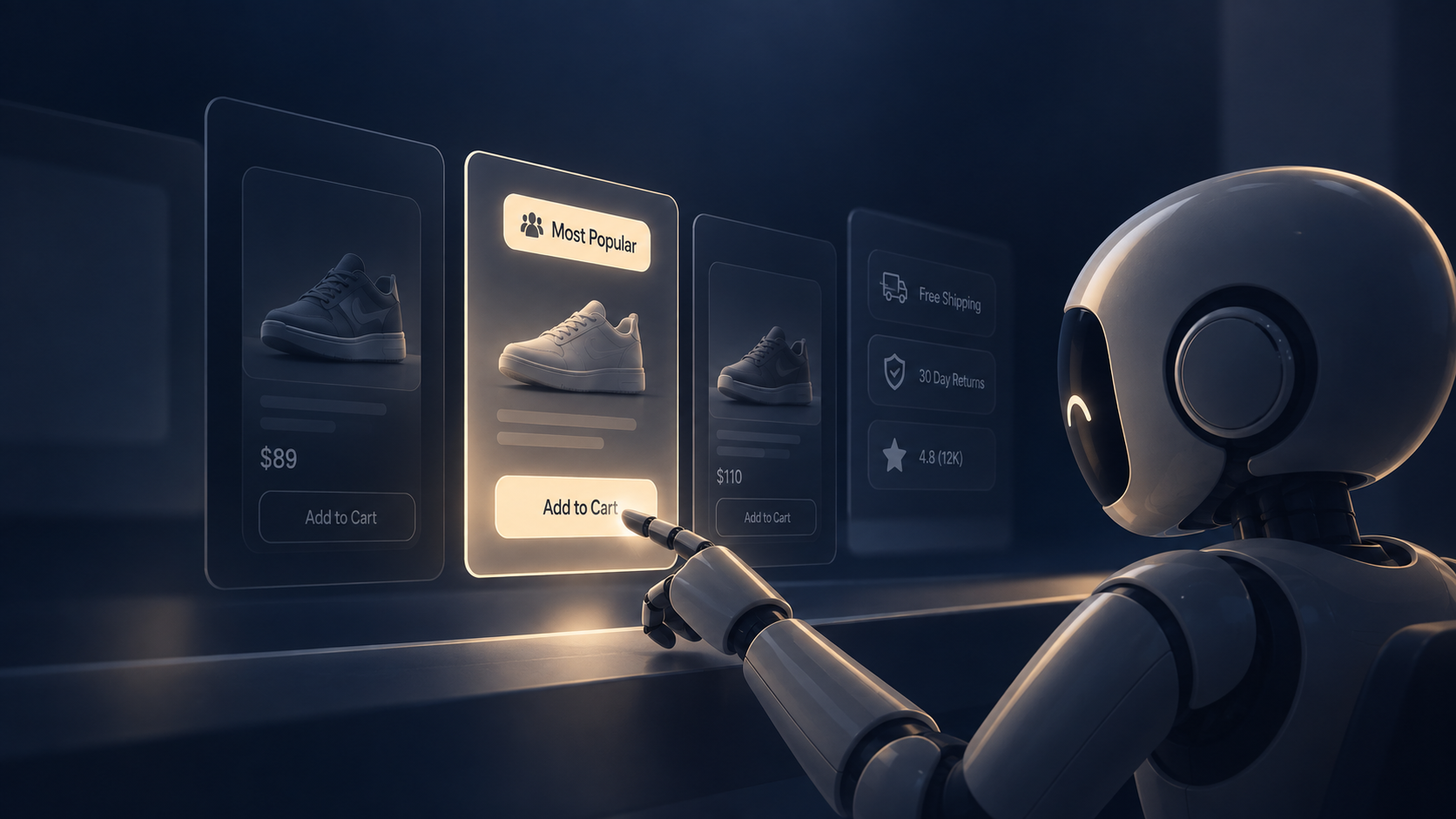
AI agents can fall for persuasive interfaces too. What happens when the internet starts influencing the machines acting on our behalf?
Read the essay
AI is shortening the distance between knowledge and action. As access becomes easier, judgment matters more.
Read the essay
AI can make each of us more creative. But what happens when millions of us start creating with the same intelligence?
Read the essay
We spend a lot of time learning how to use AI. Maybe the more important skill is knowing when to use it at all.
Read the essay
A safe model is not enough. Companies also need to control what an AI agent can do and what people may believe because of it.
Read the essay
AI is moving from helping scientists to taking part in the scientific loop itself.
Read the essay
As AI takes on more of the work, meaningful oversight depends on preserving our ability to understand, question, and redirect it.
Read the essay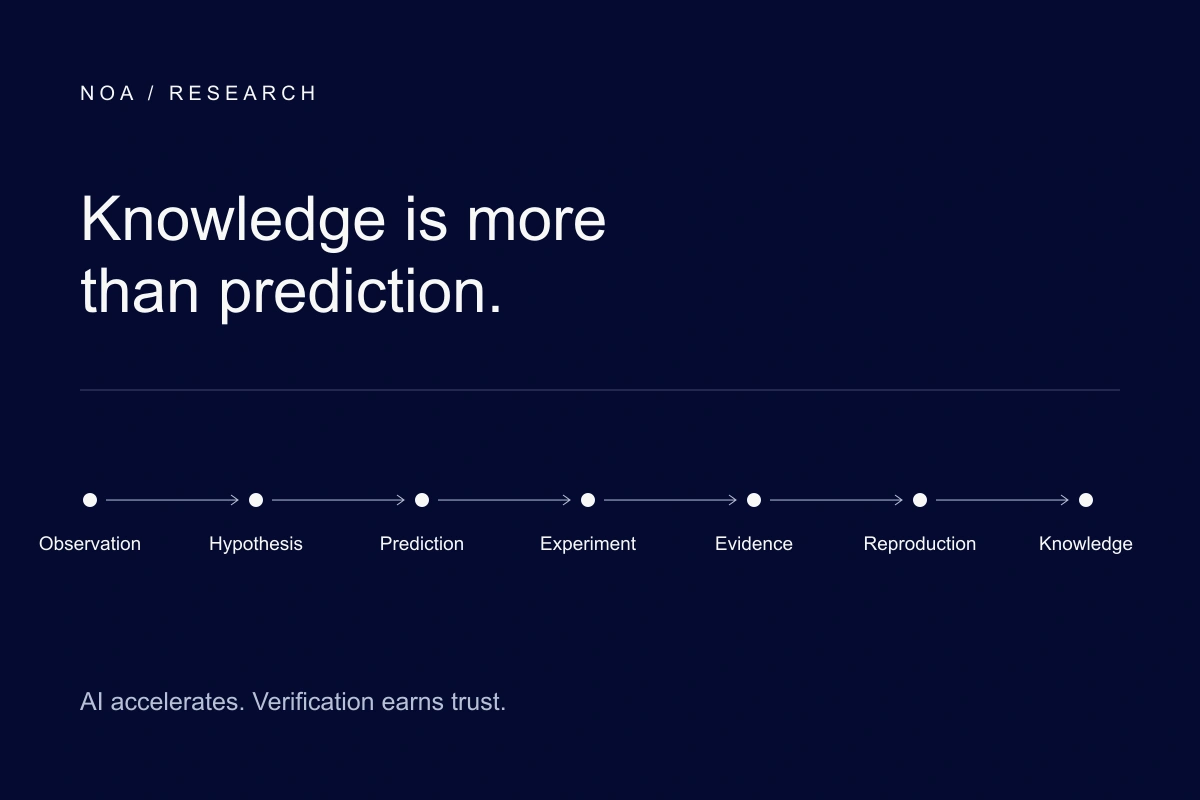
AI is making answers cheaper to produce. Verification, reproduction, and human judgment turn them into knowledge we can trust.
Read the essay
As autonomous AI systems begin to work together, responsible AI may become as much a problem of institutional design as model alignment.
Read the essay
As AI moves from assisting researchers to running experiments and contributing to discoveries, the human role in research may be shifting.
Read the essay
As AI agents become more autonomous, human oversight needs to be designed—not assumed.
Read the essay